Antibiotic Misuse: Why Your Pharmacist Says No to Self-Medication
Reviewed by Dr. Amna Noor, Pharm-D — Lead Pharmacist, IMA Pharmacy Plus
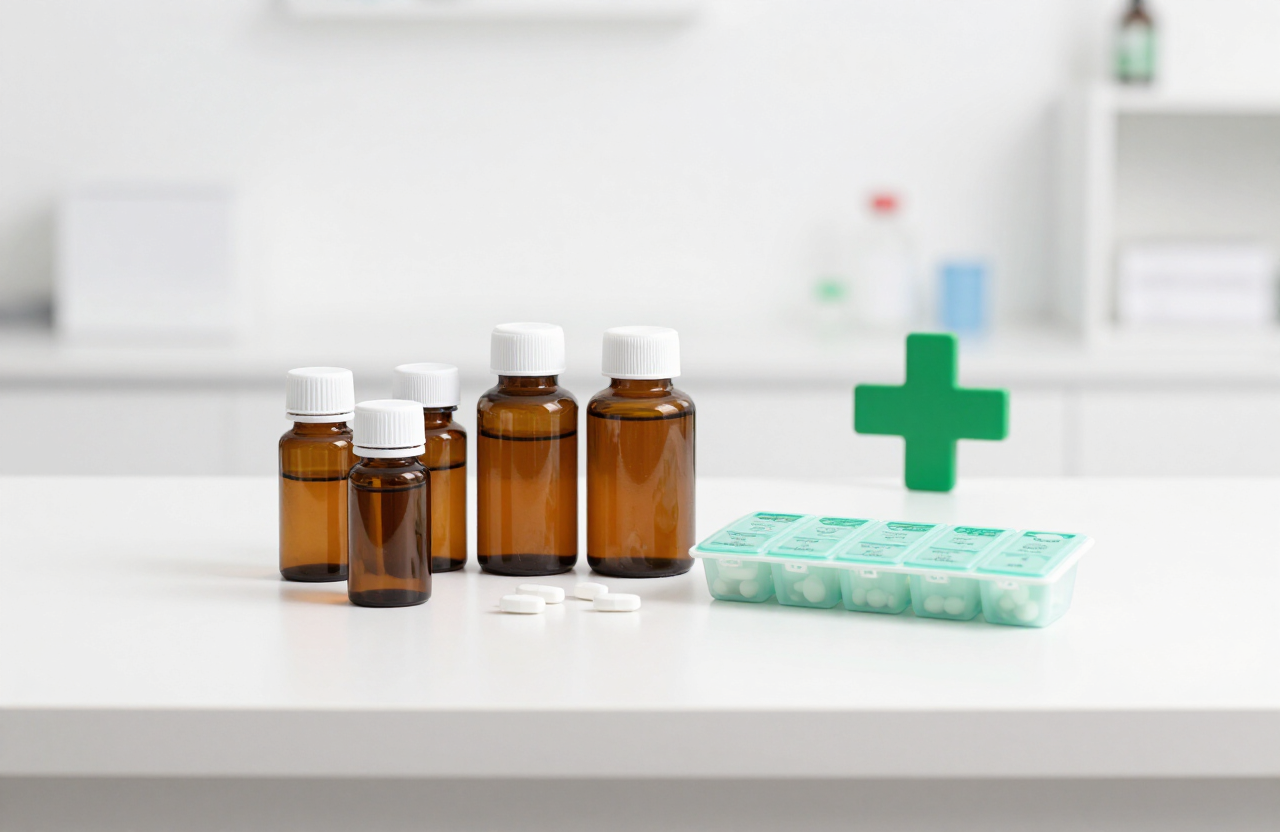
Pakistan faces one of the highest rates of antibiotic resistance in the world. A major driver is familiar to all of us: antibiotics bought without a prescription, taken for viral illnesses they cannot treat, or stopped halfway through the course.
Antibiotics treat bacteria — not viruses
Colds, flu, most sore throats, and most coughs are viral. Antibiotics do nothing for them except expose you to side effects and train the bacteria living in your body to resist the medicine. When a resistant infection does strike, the usual antibiotics may no longer work — turning a treatable illness into a dangerous one.
The rules of responsible antibiotic use
- Take antibiotics only when prescribed by a qualified doctor
- Complete the full course, even if you feel better after two days
- Never share antibiotics or use leftovers from a previous illness
- Never pressure a pharmacist or doctor for antibiotics “just in case”
- Store them correctly and dispose of expired stock safely — bring them to us
Why we sometimes say no
When our pharmacists decline to dispense an antibiotic without a prescription, it is not unhelpfulness — it is professional duty and legal responsibility. That refusal protects you, your children, and your neighbours. We will always suggest appropriate alternatives for symptom relief and advise you on when a doctor’s visit is genuinely needed.