Understanding High Blood Pressure: A Guide for Families in Rahim Yar Khan
Reviewed by Dr. Amna Noor, Pharm-D — Lead Pharmacist, IMA Pharmacy Plus
High blood pressure (hypertension) is one of the most common long-term conditions we see at our pharmacy in Rahim Yar Khan — and one of the most under-diagnosed. Because it usually causes no obvious symptoms, many people only discover it after a routine check or, worse, after a serious event such as a stroke or heart problem.
The good news: hypertension is measurable, manageable, and — with the right habits and medicines — controllable for life.
What do the numbers mean?
A blood pressure reading has two numbers. The systolic (top) number measures pressure when your heart beats; the diastolic (bottom) number measures pressure between beats. As a general guide used by doctors in Pakistan and worldwide:
- Normal: around 120/80 mmHg or below
- Elevated: 120–129 systolic with diastolic below 80
- Stage 1 hypertension: 130–139 systolic or 80–89 diastolic
- Stage 2 hypertension: 140/90 mmHg or higher
How to monitor your blood pressure correctly
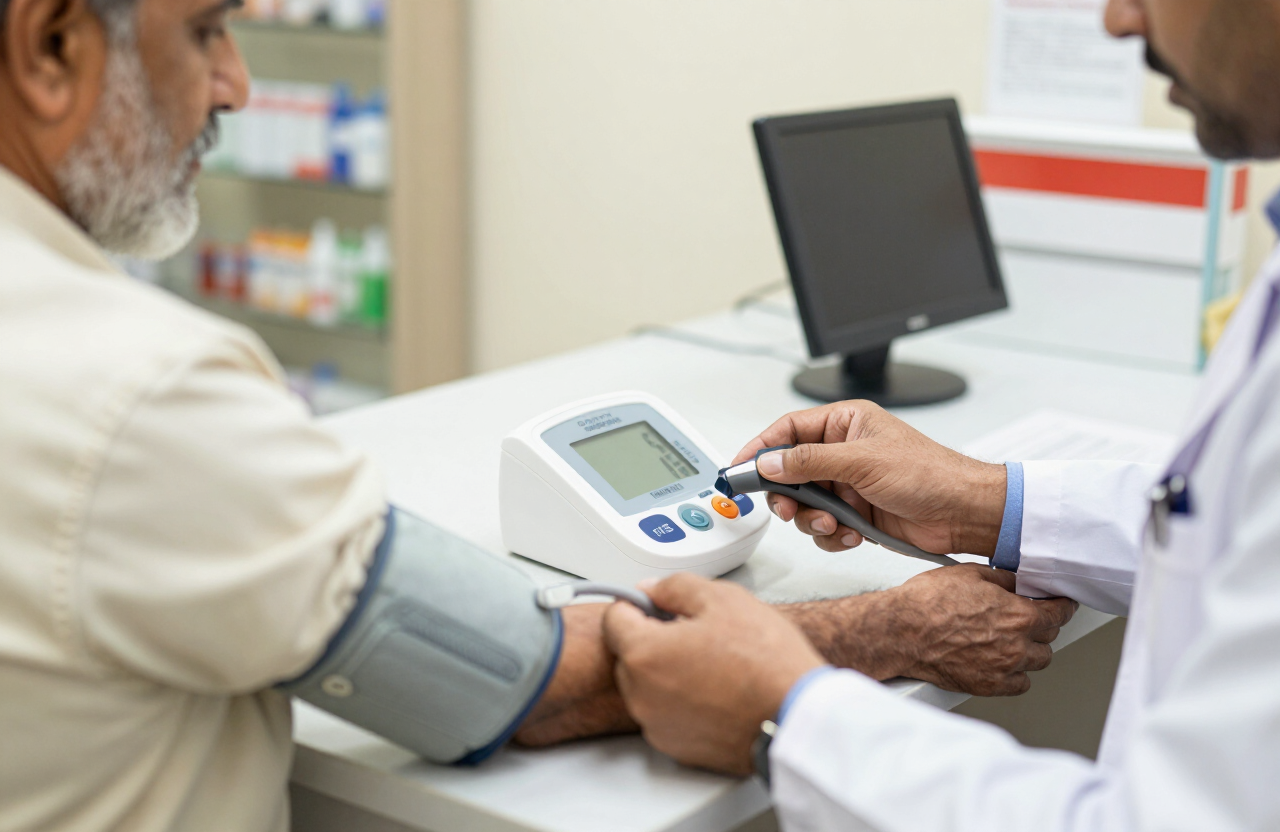
Home monitoring gives your doctor a far better picture than a single clinic reading. Sit quietly for five minutes, keep your arm supported at heart level, avoid tea, coffee, or smoking for 30 minutes beforehand, and take two readings morning and evening for a week.
At IMA Pharmacy Plus we offer free blood pressure checks and can show you how to use a home monitor correctly — just ask at the counter.
Medicines work — but only if you take them
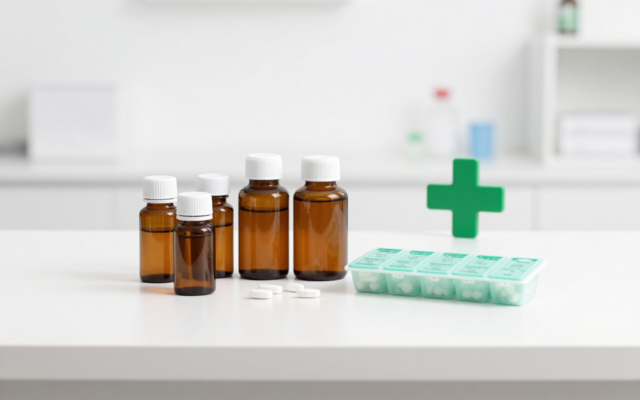
The most common reason blood pressure treatment fails is missed doses. Antihypertensive medicines protect your heart, brain, and kidneys every single day, not just on the days you feel unwell. Never stop or skip your medicine because you “feel fine” — that feeling is the medicine working.
If side effects bother you, talk to us or your doctor. There is almost always an alternative, and adjusting treatment is far safer than abandoning it.
When to seek urgent care
A reading of 180/120 mmHg or higher, especially with chest pain, severe headache, blurred vision, or difficulty speaking, is a medical emergency. Go to the nearest hospital immediately.